During their operations in Vietnam, foreign-invested enterprises (FDI) often focus on key procedures such as obtaining an Investment Registration Certificate (IRC), Enterprise Registration Certificate (ERC), work permits, or temporary residence cards for foreign employees or foreign legal representatives. However, in practice, updating passport information of foreign employees or foreign legal representatives is a critical compliance obligation that is frequently overlooked, leading to serious consequences for business operations.
For FDI companies, the legal representative is not merely the individual named on the licenses, but the person closely associated with all legal, banking, and immigration activities of the company. Therefore, when the legal representative’s passport expires or is replaced, timely updating of passport information becomes a mandatory requirement.
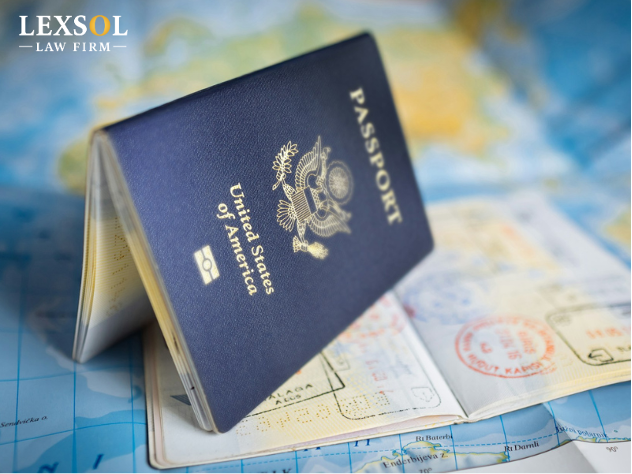
The legal representative’s passport is a core identification document recorded and used consistently across various records and management systems, including:
Any change relating to the passport (passport number, date of issuance, expiry date) may cause inconsistencies among the above records, thereby giving rise to compliance and operational risks.
In practice, one of the most common issues faced by FDI companies is that:
2.1.1. The legal representative is unable to conduct banking transactions due to an expired passport that has not been updated.
2.1.2. Banks verify account holders and authorized signatories based on the registered passport information. When a passport expires or information does not match, banks are entitled to:
As a result, the company may be unable to carry out essential transactions such as payments to suppliers, salary payments to employees, or capital transfers, directly affecting daily business operations. In addition, the personal bank account of the legal representative may also be subject to transaction restrictions in similar circumstances.
Passports serve as the basis for issuing and managing work permits and temporary residence cards for foreign employees in Vietnam. When a foreign employee or foreign legal representative is issued a new passport, the information on the WP and TRC must be fully consistent with the valid passport.
If not updated:
2.2.1. Information on the TRC and the new passport will be inconsistent;
2.2.2. Issues may arise during exit or entry procedures;
2.2.3. Difficulties may occur when extending visas, work permits, or TRCs;
2.2.4. Authorities may require explanations or adjustments to immigration records.
These issues not only affect the legal representative personally, but may also disrupt business travel plans, management, and corporate governance.
Failure to update passport information in a timely manner may also cause inconsistencies in the company’s legal records, resulting in:
2.3.1. Difficulties in contract execution or dealings with business partners;
2.3.2. Risks of being deemed non-compliant with corporate information update obligations;
2.3.3. Complications when carrying out other legal procedures such as license amendments, changes to enterprise registration information, or investment transactions.
Depending on the specific circumstances, companies may be required to update the legal representative’s passport information in the following records:
Updates should be carried out consistently and in the correct sequence to ensure that all legal records remain accurate and aligned.
For companies with foreign employees or foreign legal representatives, proactively monitoring passport validity is a key element of compliance management. Companies should:
Timely passport updates are not only a legal obligation but also an effective risk prevention measure, helping FDI companies maintain stable and uninterrupted operations in Vietnam.
If your company has foreign employees or a foreign legal representative and requires assistance with passport updates, license amendments, or issues related to banking and immigration, Lexsol Law Firm is ready to provide comprehensive legal support.
Contact Lexsol for detailed consultation:


Lexsol is a team of young, dynamic lawyers with over 10 years of experience in advising and resolving legal matters for both domestic and international businesses.


 152-154 Vo Van Kiet Street, Ben Thanh Ward, Ho Chi Minh City, Vietnam
Điền thông tin, chúng tôi sẽ liên hệ tư vấn chi tiết cho bạn trong vòng 24h.


